-
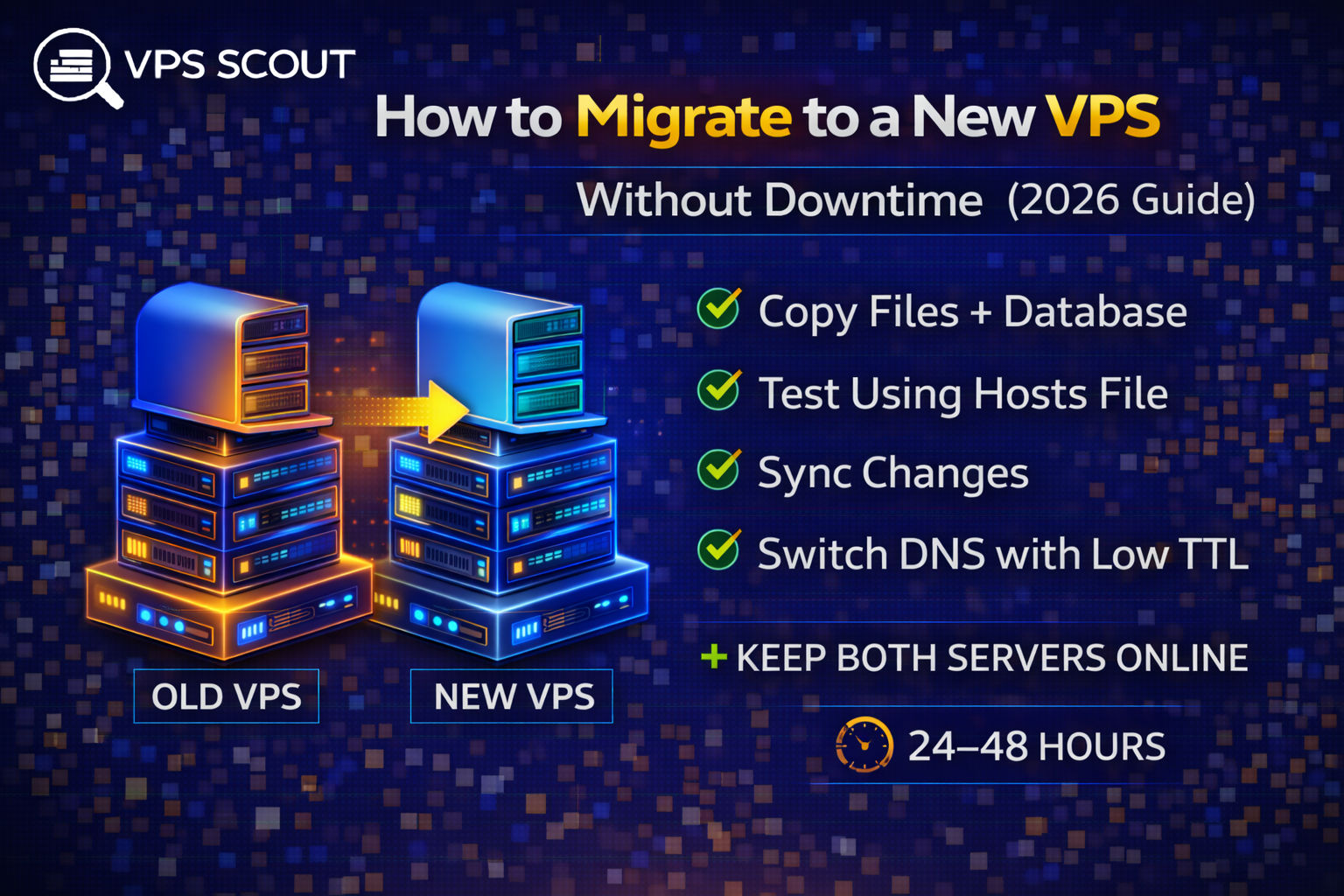
How to Migrate to a New VPS Without Downtime
Migrating to a new VPS sounds scary… but it doesn’t have to be. The biggest fear is always: The good news? If you do it the right way, you can migrate to a new VPS with: ✅ 0 downtime (or close to it)✅ no lost data✅ a clean rollback plan This guide shows you the…
-
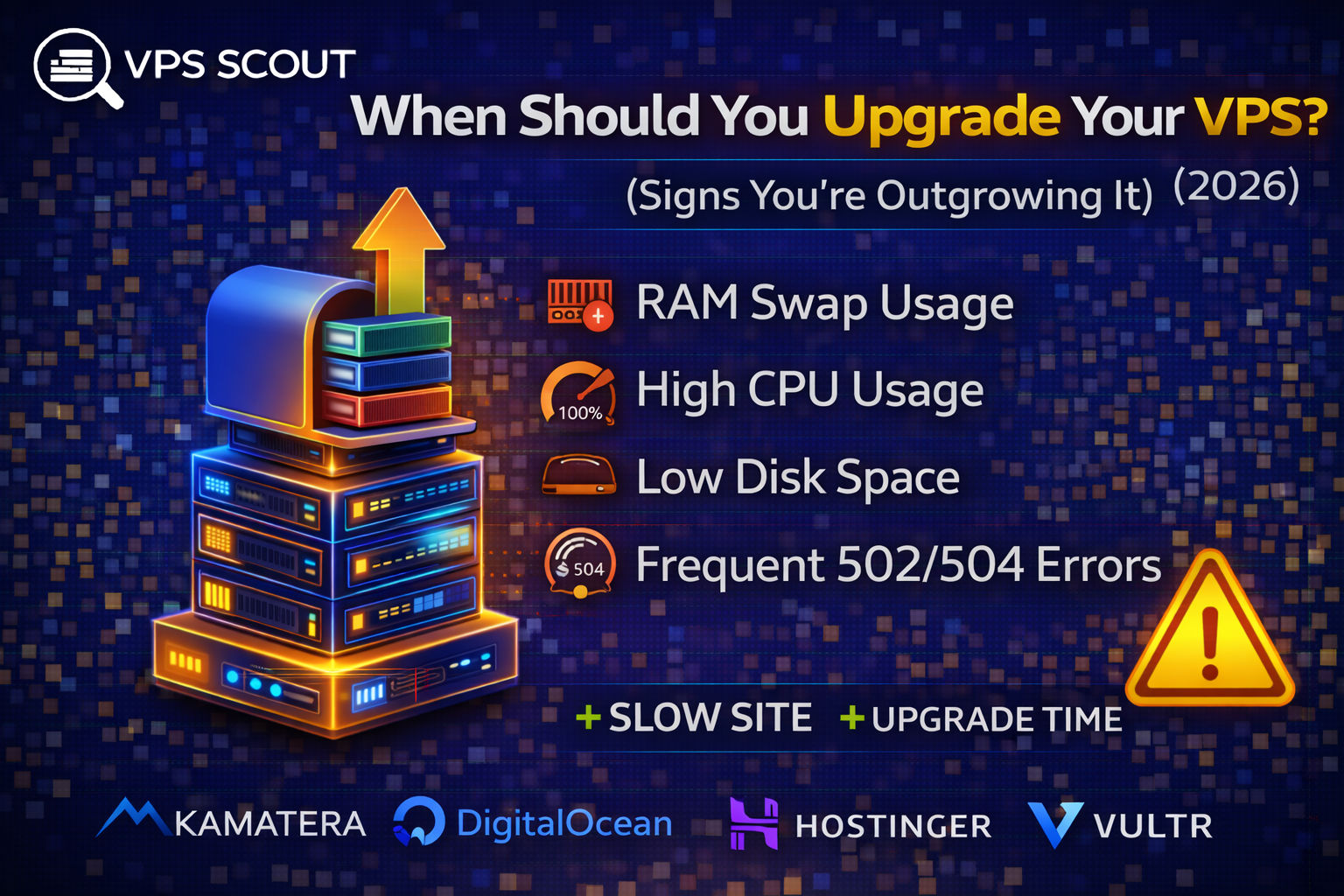
When Should You Upgrade Your VPS? (Signs You’re Outgrowing It)
A VPS is awesome… until it isn’t. Most people don’t realize they’ve outgrown their VPS until one of these happens: The good news is: Your VPS usually gives you warning signs before it fails. This guide shows you exactly when you should upgrade your VPS, what to check, and the safest upgrade path. Quick Answer:…
-
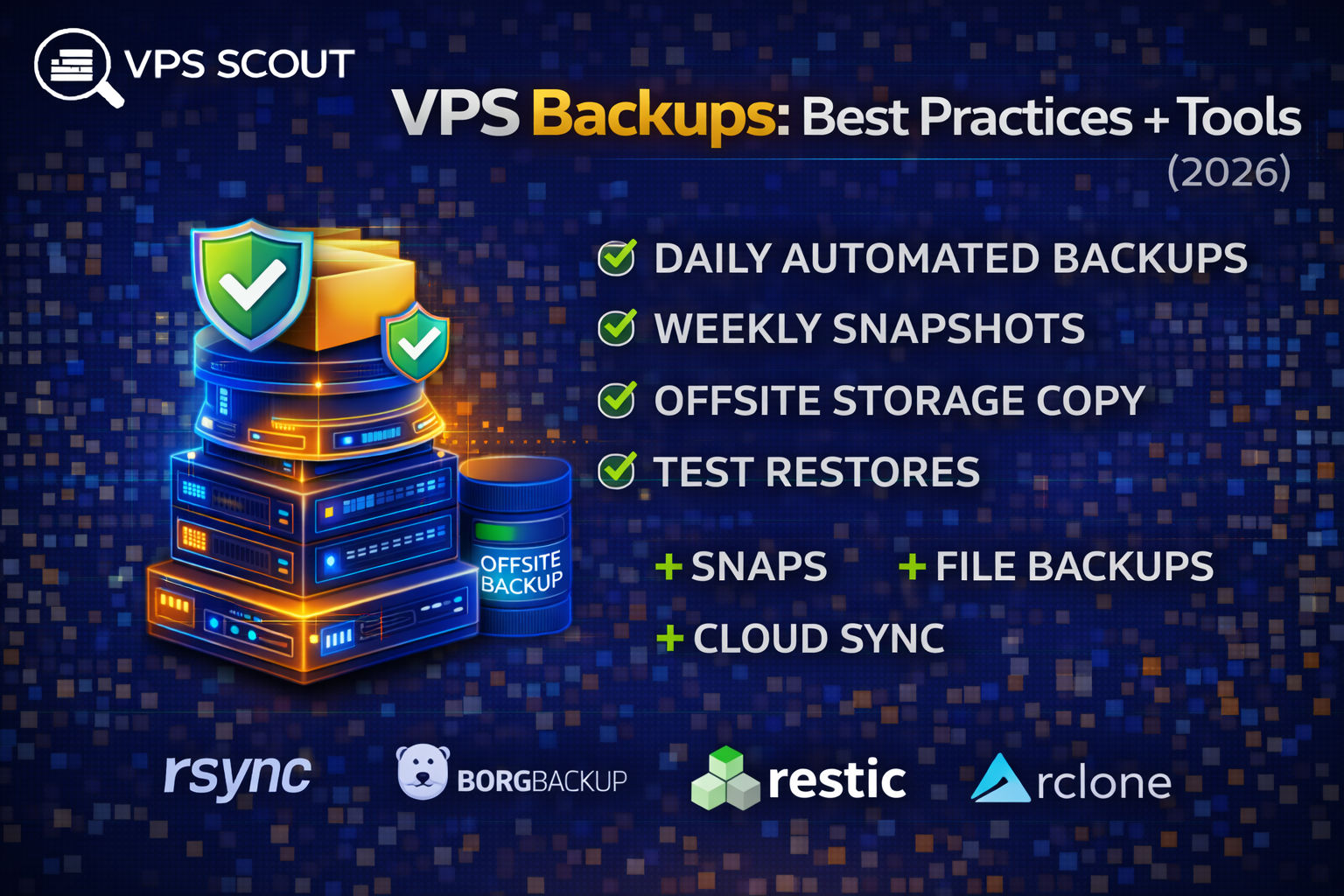
VPS Backups: Best Practices + Tools
If you own a VPS, backups are not optional. Because eventually, one of these will happen: And if you don’t have backups, the result is always the same: You lose your site. This guide covers VPS backup best practices in 2026, including: Quick Answer: Best VPS Backup Strategy (2026) If you want the simplest and…
-
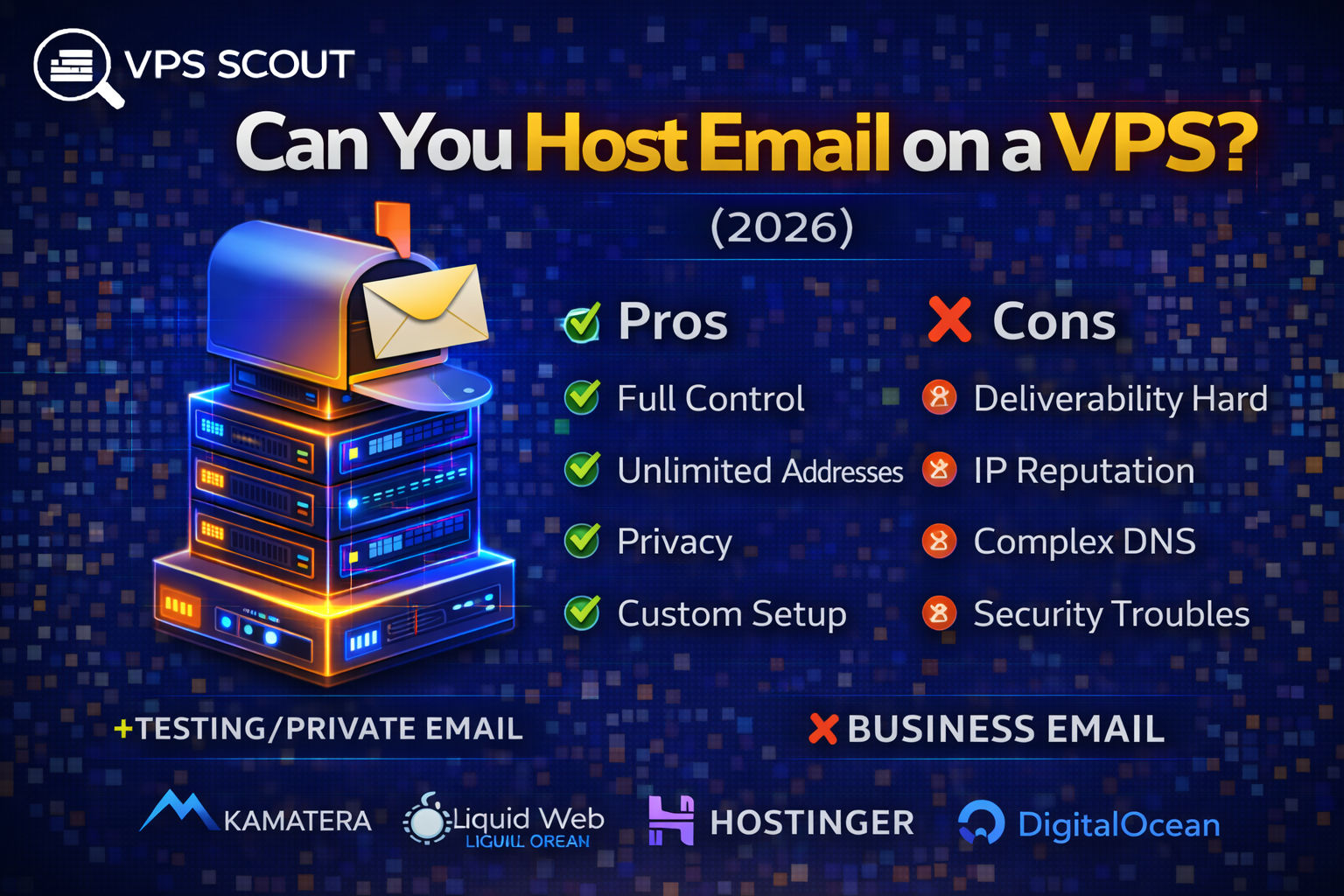
Can You Host Email on a VPS? Pros/Cons
Hosting email on a VPS provides full administrative control, enhanced privacy, and the ability to create unlimited mailboxes. This approach allows technical users to manage their own software stacks and security policies. It is particularly suitable for internal communication, testing environments, and specialized configurations that avoid vendor lock-in. Self-hosting requires managing complex DNS records and…
-
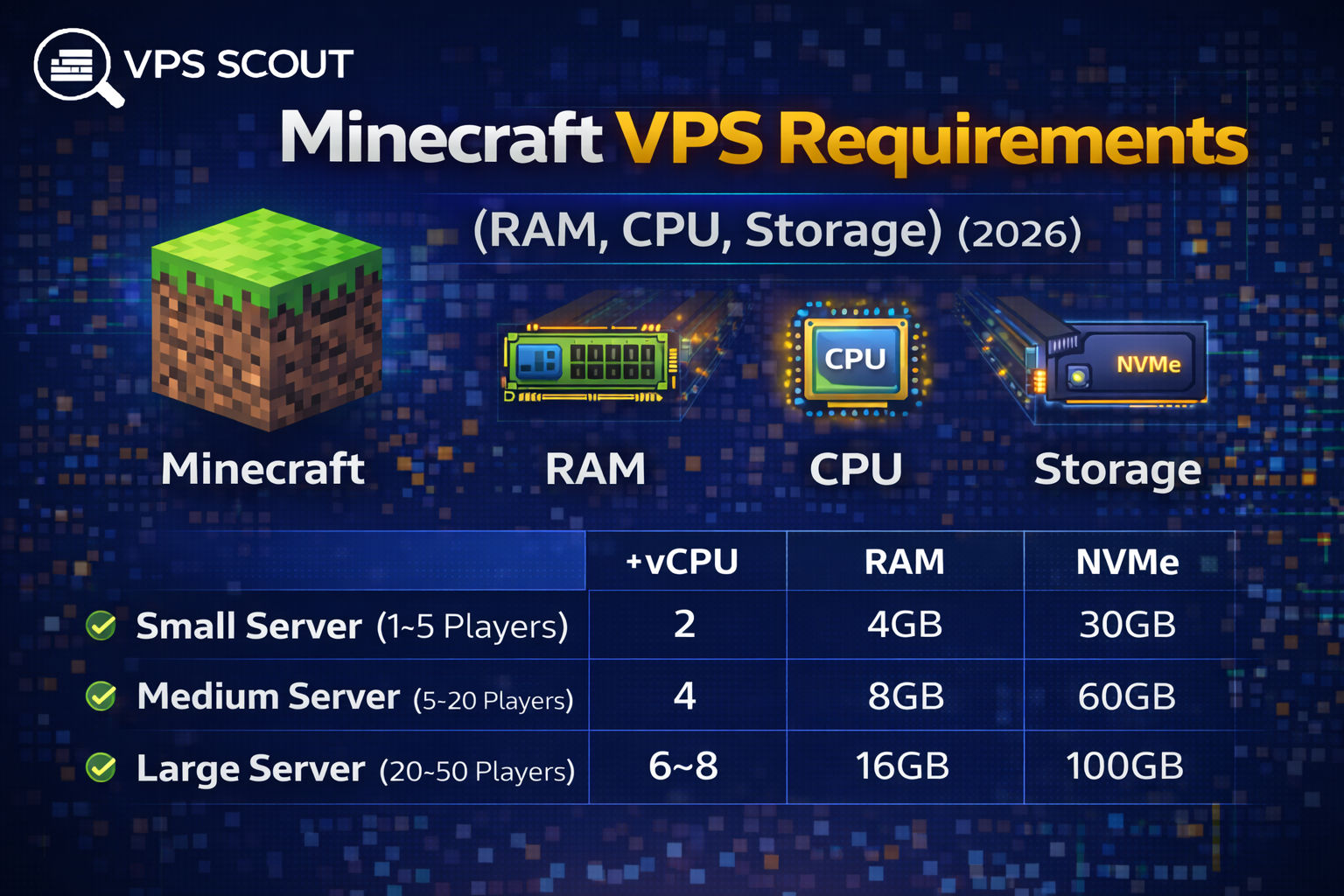
Minecraft VPS Requirements (RAM, CPU, Storage)
Hosting a Minecraft server on a VPS requires prioritizing CPU clock speed and RAM over high core counts. Because the game relies heavily on single-thread performance, fewer fast cores often outperform many slow ones. NVMe storage is recommended over standard SSDs to improve chunk loading and reduce lag spikes. Hardware requirements vary based on player…
-
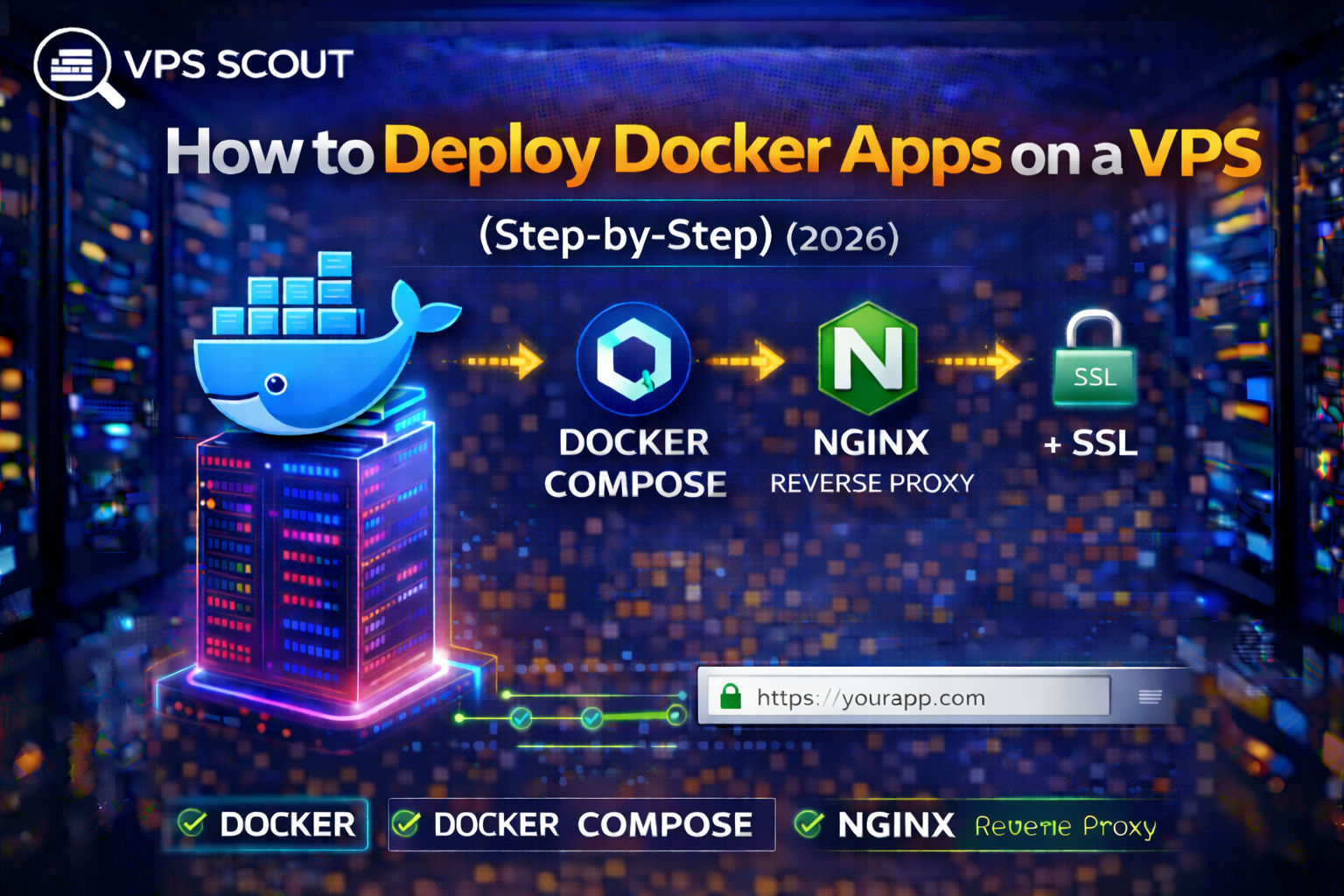
How to Deploy Docker Apps on a VPS (Step-by-Step)
Deploying applications on a Virtual Private Server using Docker provides a cost-effective and scalable hosting solution. This approach utilizes a stack consisting of Ubuntu, Docker Compose, and Nginx to manage web applications and APIs. It offers a repeatable workflow that avoids the complexities of larger container orchestration platforms. The deployment process involves configuring a reverse…
-
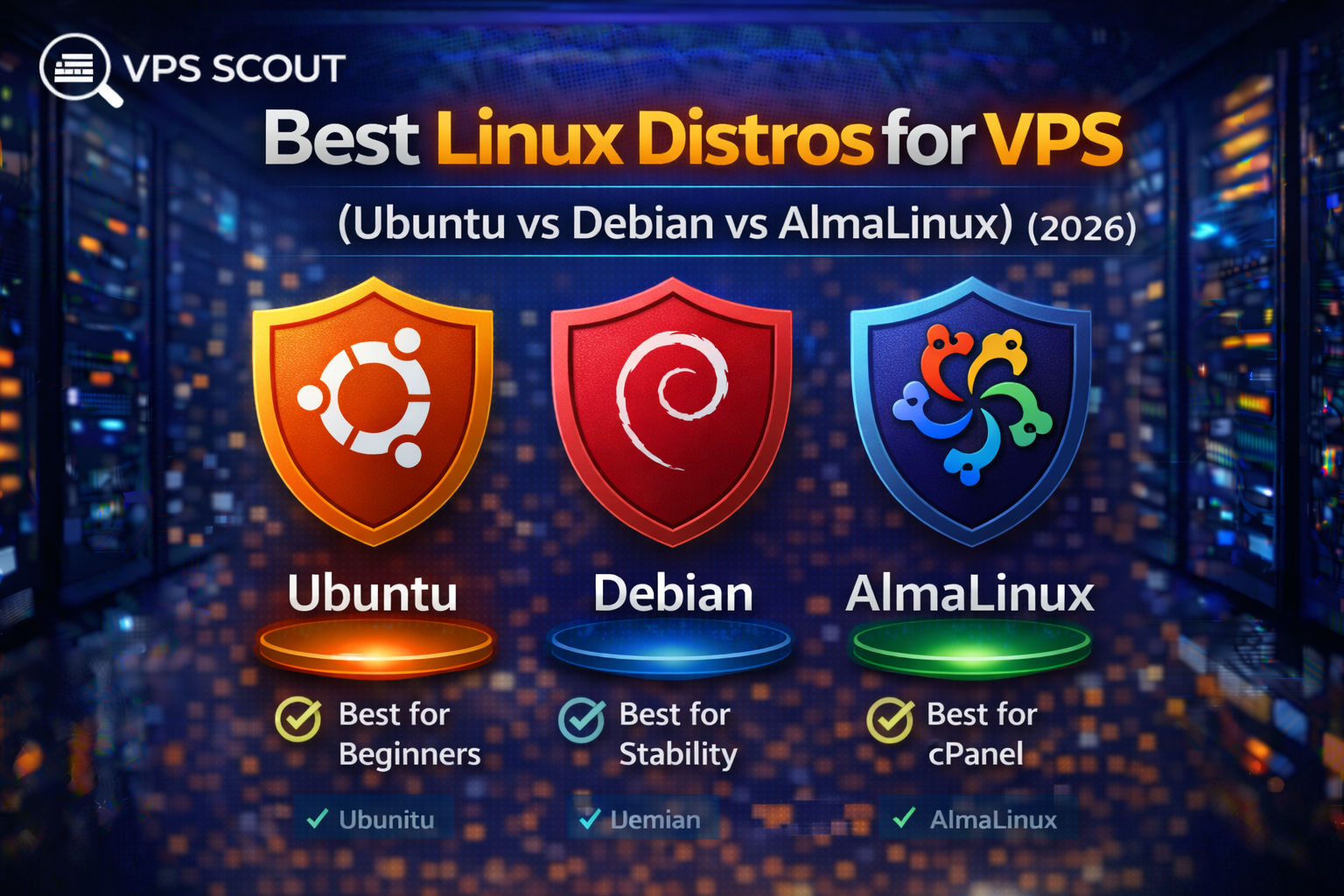
Best Linux Distros for VPS (Ubuntu vs Debian vs AlmaLinux)
Choosing a VPS is only half the battle. The other half is choosing the right Linux distro — because your distro affects: And yes… for most people, the distro choice matters more than they think. This guide compares the best Linux distros for VPS hosting in 2026, focusing on the 3 most common options: Quick…
-
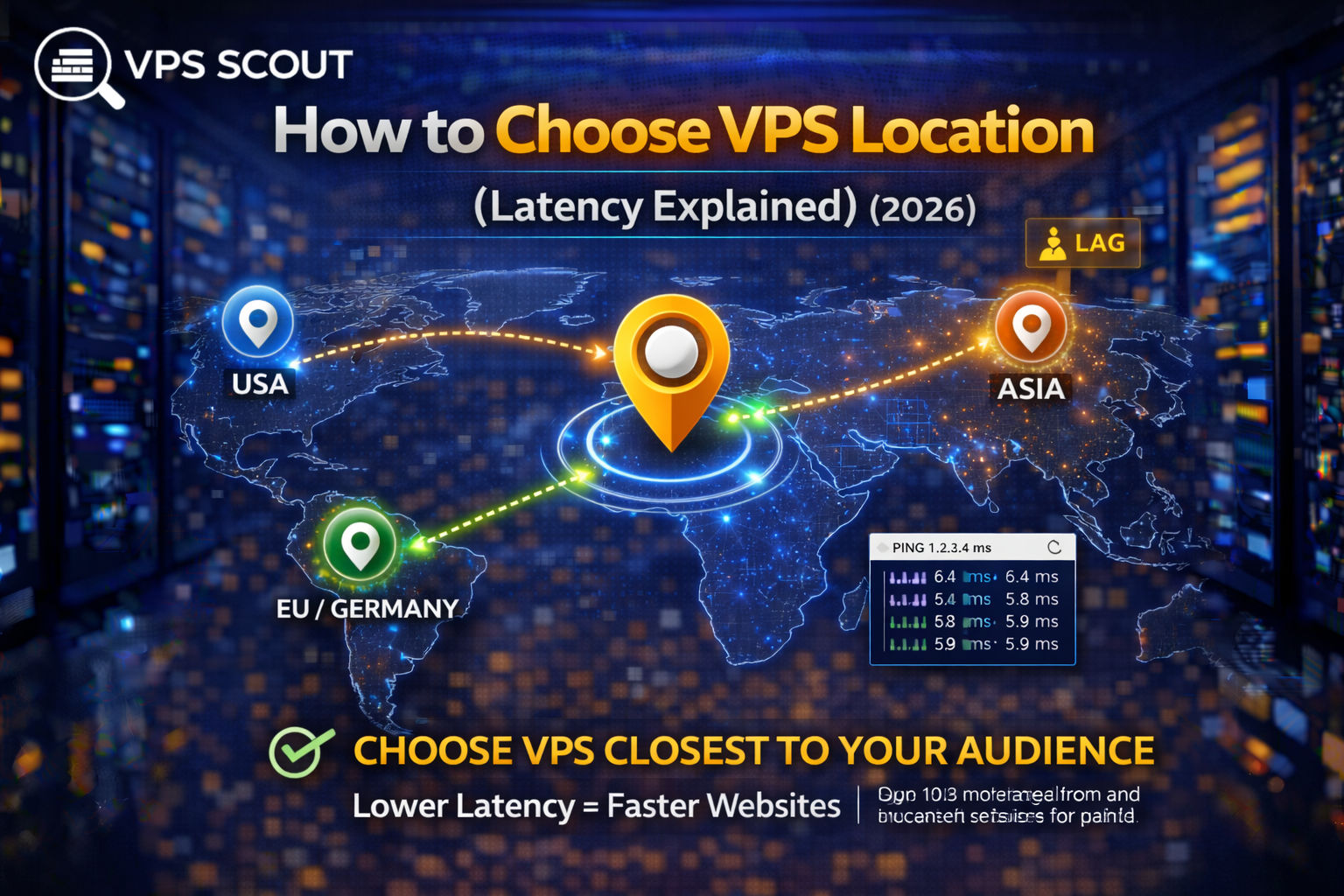
How to Choose VPS Location (Latency Explained) (2026)
Selecting the optimal VPS location is essential for minimizing latency and improving website performance. Proximity to the target audience reduces the time data travels between the server and visitor. This physical distance impacts page load speeds, user experience, and search engine optimization metrics like Core Web Vitals. For global audiences, combining a strategically located VPS…
-
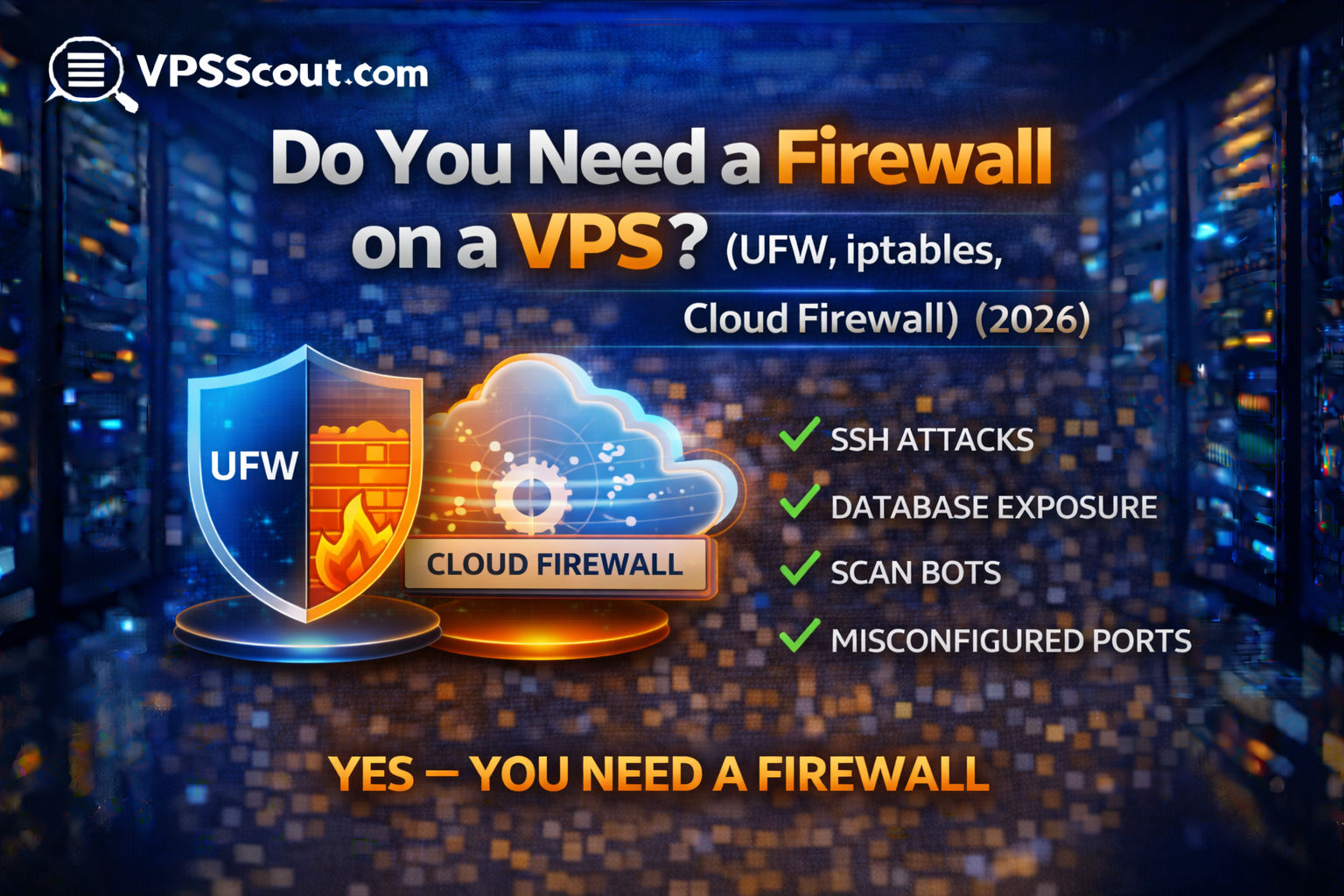
Do You Need a Firewall on a VPS? (UFW, iptables, Cloud Firewall)
If you’re running a VPS, you’ve probably seen this advice everywhere: “Enable a firewall.” And then you wonder: Here’s the truth: ✅ Yes — you need a firewall on a VPS.Even if you’re hosting a small site. Even if you think nobody will target you. Because bots scan the internet 24/7 looking for: This guide…
-
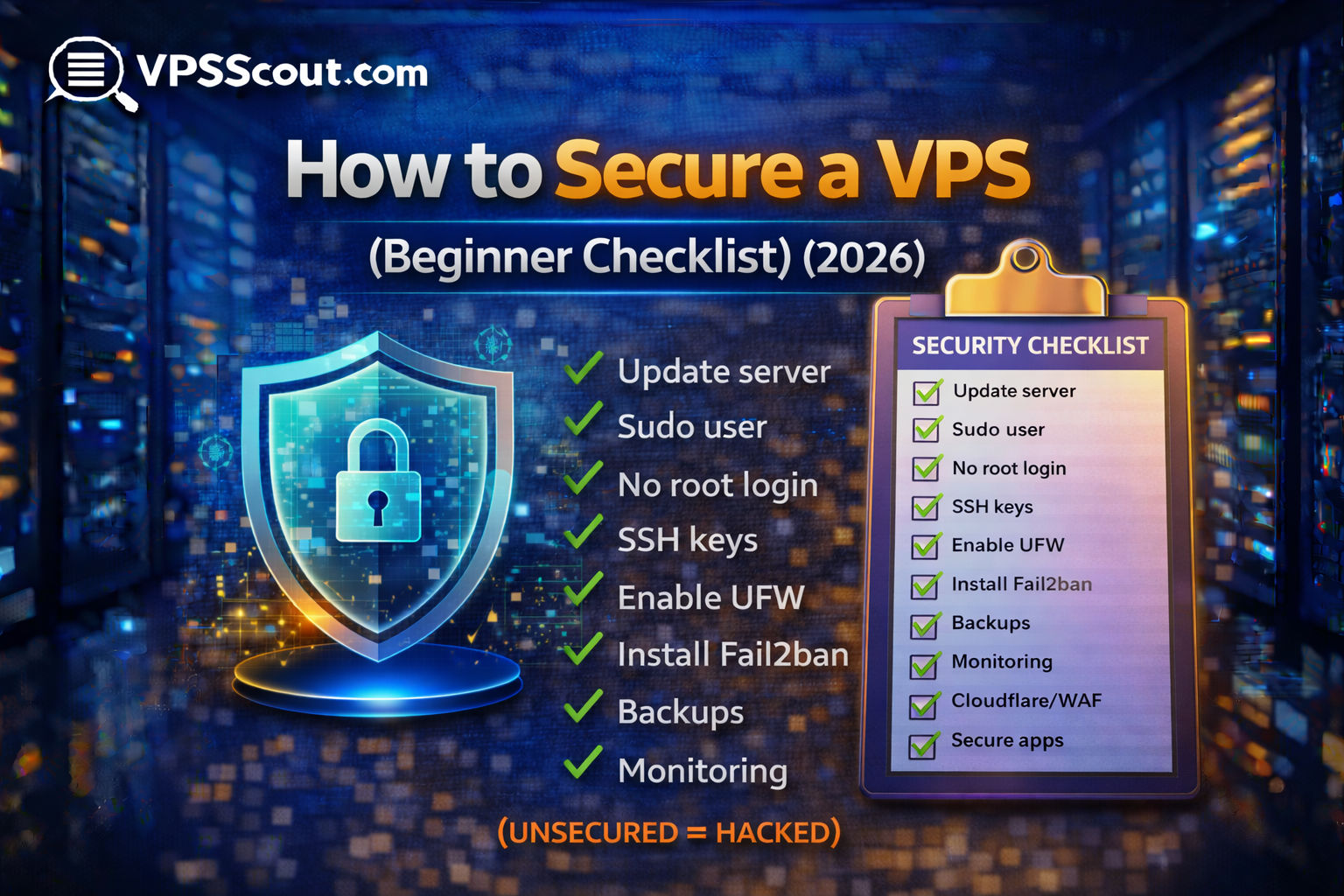
How to Secure a VPS (Beginner Checklist)
If you’re using a VPS, security is not optional. A VPS is not like shared hosting where the provider protects everything. On a VPS, you’re responsible for: And here’s the truth most beginners learn the hard way: Unsecured VPS servers get attacked constantly. Even if your VPS is small. Even if your site is new.…
-
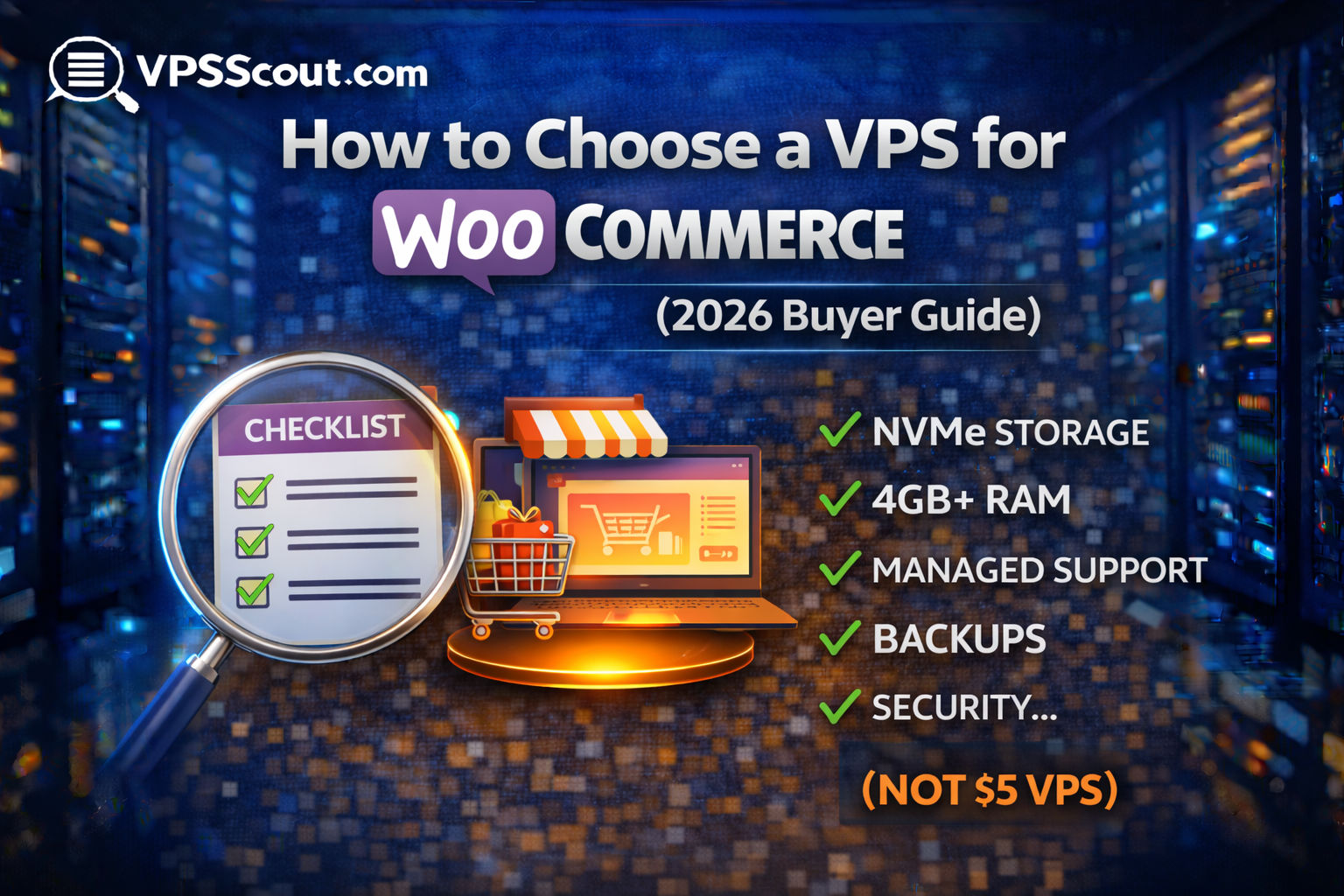
How to Choose a VPS for WooCommerce
Choosing a VPS for WooCommerce is not the same as choosing a VPS for a blog. WooCommerce is heavier, more dynamic, and far more sensitive to slow hosting because it depends on: So if you pick the wrong VPS, you’ll feel it immediately: This guide shows you exactly how to choose the right VPS for…
-
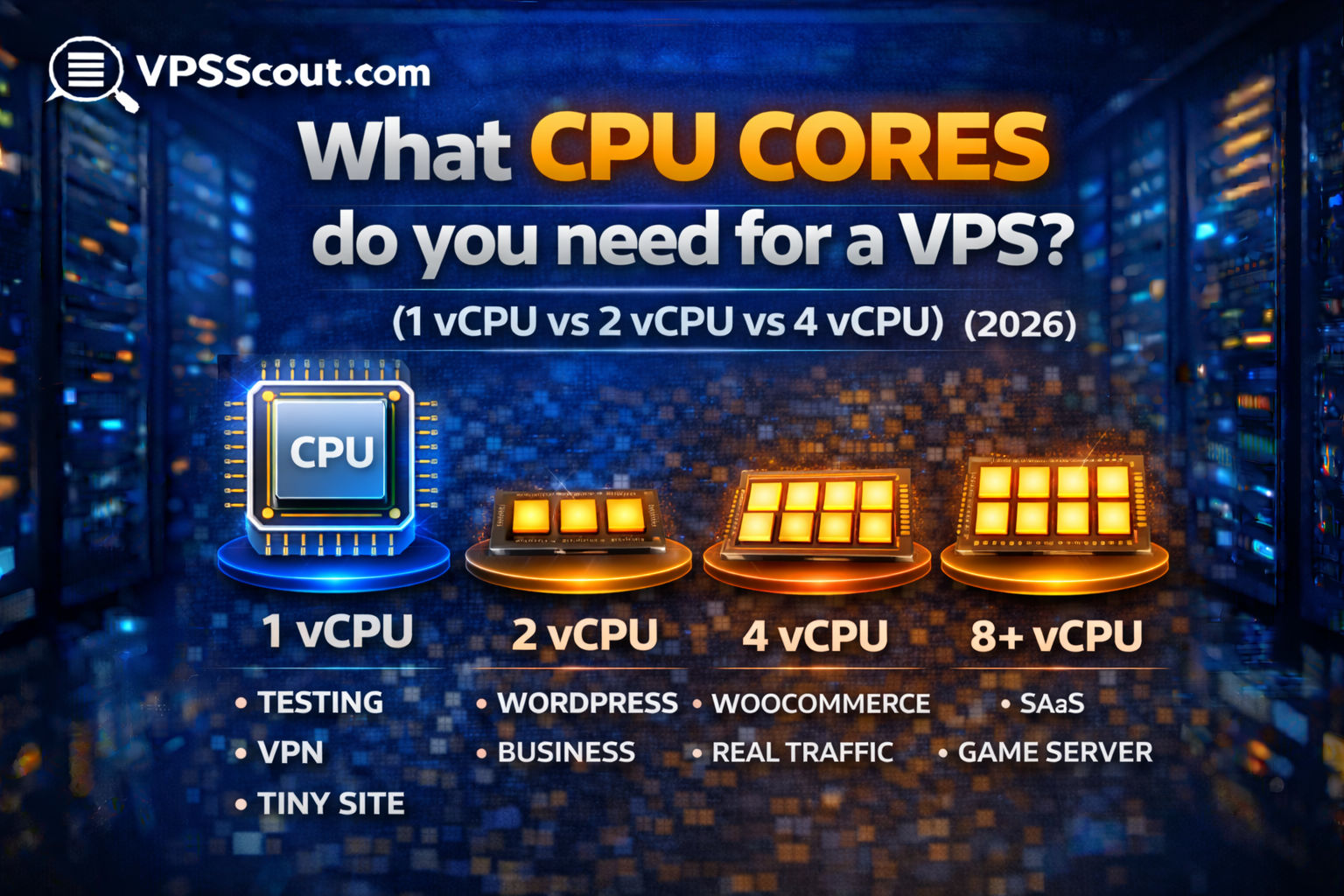
What CPU Cores Do You Need for a VPS?
When people shop for VPS hosting, they usually focus on the wrong thing. They obsess over: But in real-world VPS performance, CPU is important — just not in the way most people think. Because a VPS with 4 vCPU can still be slower than a VPS with 2 vCPU if: So how many CPU cores…
-
SSD vs NVMe VPS: What’s the Difference and Does It Matter?
NVMe VPS hosting utilizes PCIe technology to offer lower latency and higher IOPS compared to standard SSD options. This makes NVMe ideal for database-heavy applications, such as WordPress and WooCommerce, where many small operations occur. It provides better stability during traffic spikes and faster overall response times. While NVMe offers superior performance, standard SSD hosting…

-
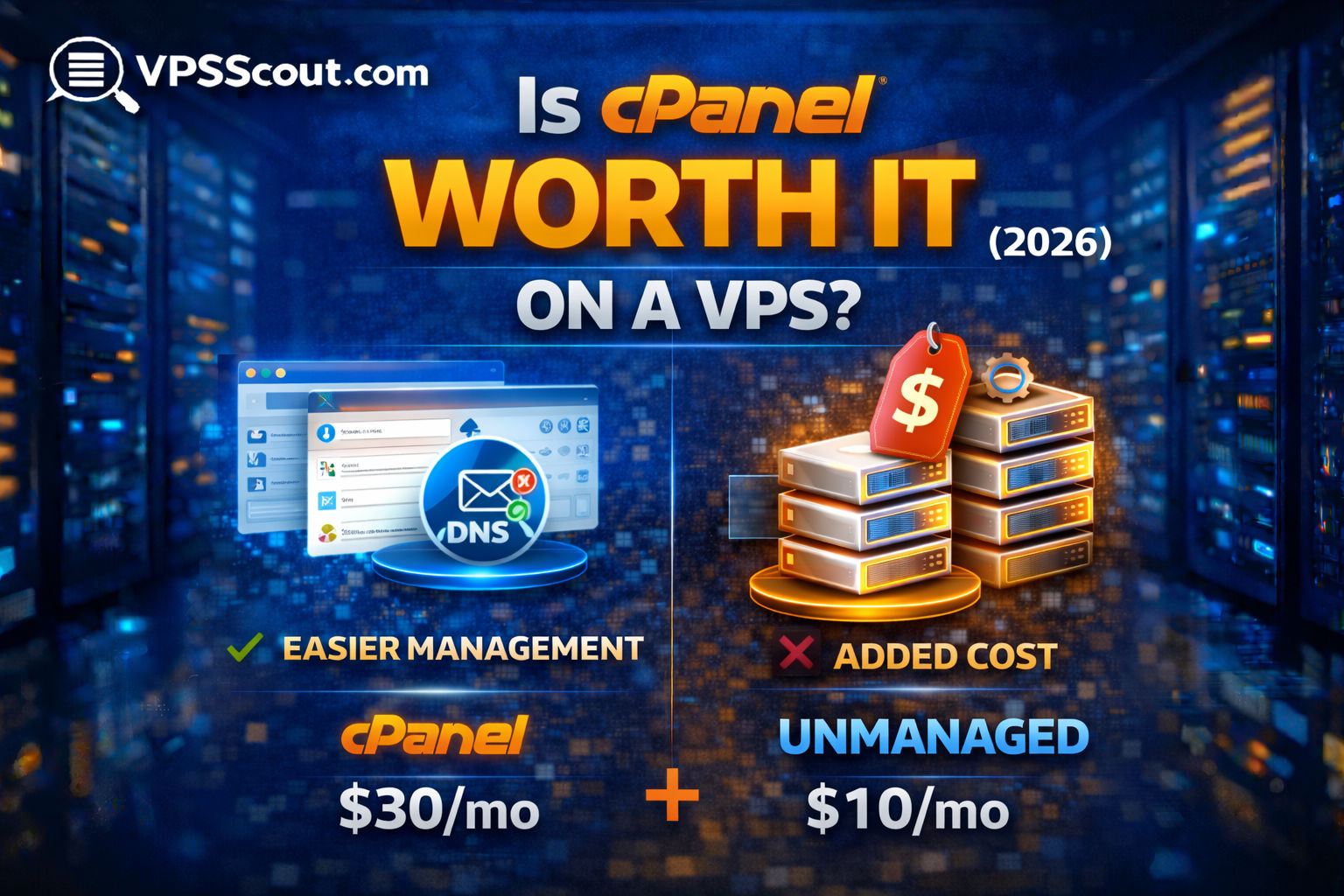
Is cPanel Worth It on a VPS?
cPanel is one of the most popular hosting control panels in the world. If you’ve ever used shared hosting, you’ve probably seen it. But once you move to a VPS, the question becomes: Is cPanel actually worth paying for… or is it just an expensive habit? In 2026, cPanel can still be a great choice…
-
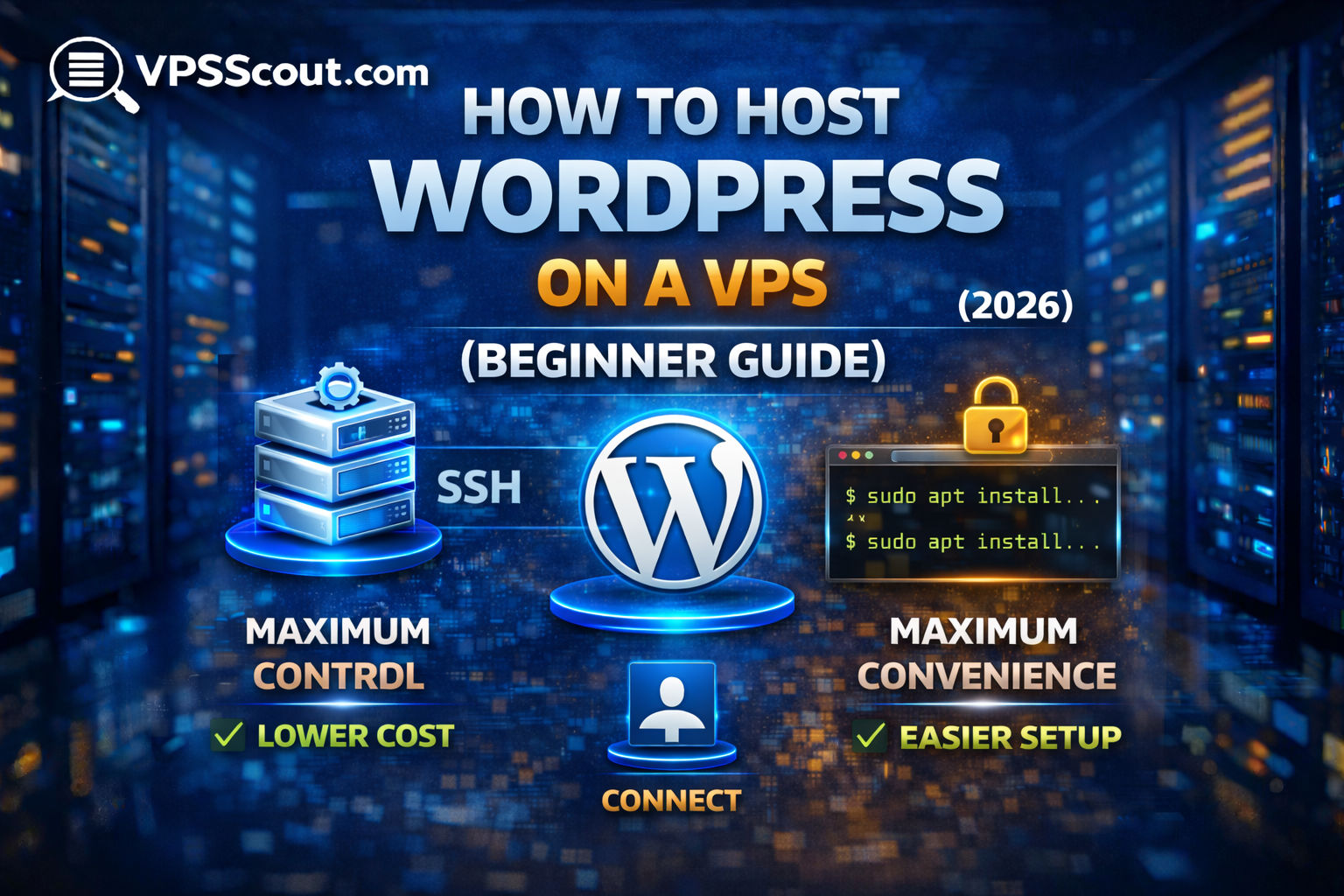
How to Host WordPress on a VPS (Beginner Guide) (2026)
Hosting WordPress on a VPS is one of the best upgrades you can make for speed, stability, and control. But if you’re a beginner, it can feel intimidating because VPS hosting usually involves: The good news? You don’t need to be a sysadmin to do it. In this guide, you’ll learn the easiest and safest…
-
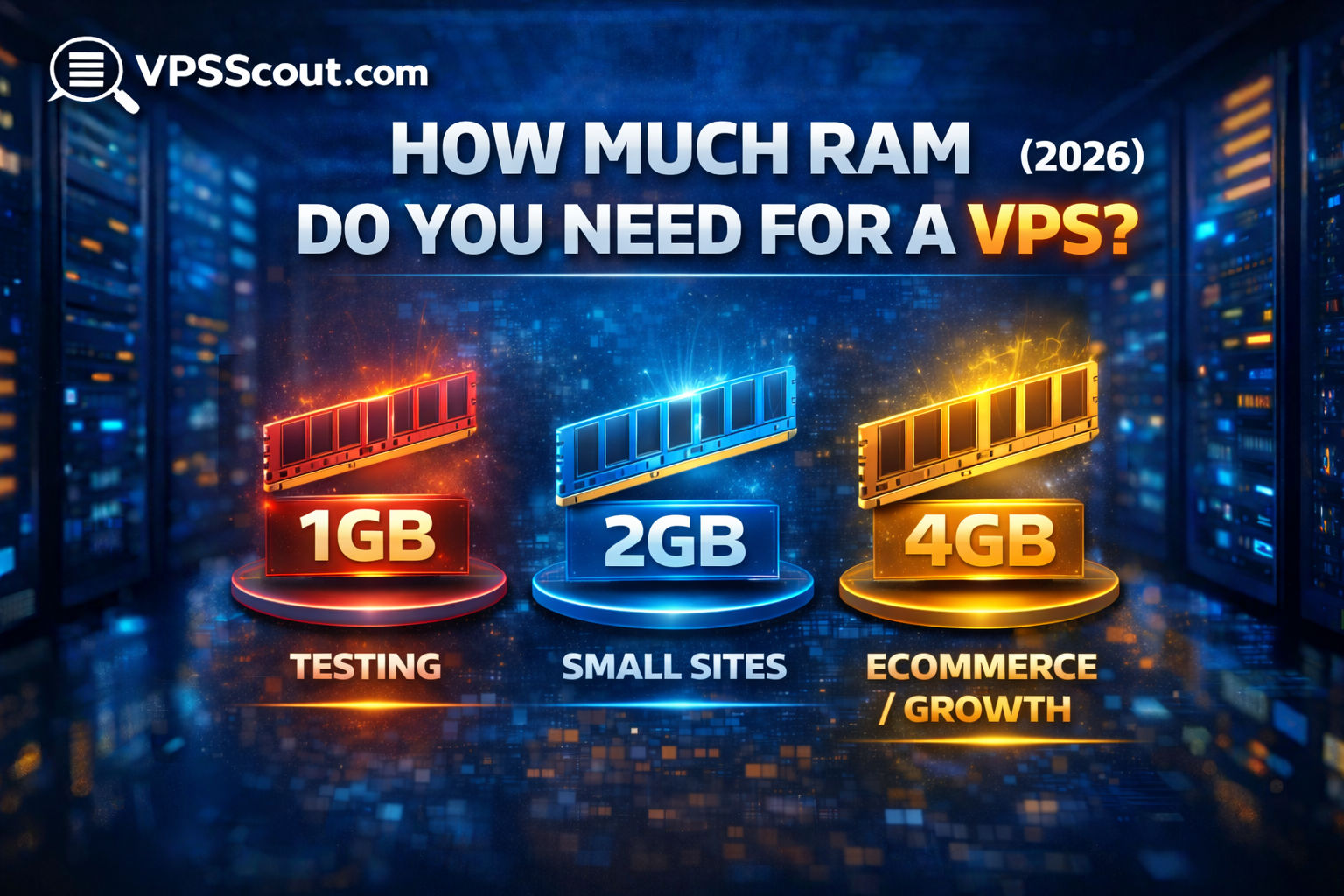
How Much RAM Do You Need for a VPS? (1GB vs 2GB vs 4GB)
If you’re choosing a VPS, RAM is the #1 spec you should care about. Not CPU. Not storage. Because most websites and small apps don’t fail due to CPU first — they fail because they run out of RAM. And when a VPS runs out of RAM, you’ll see things like: So how much RAM…
-
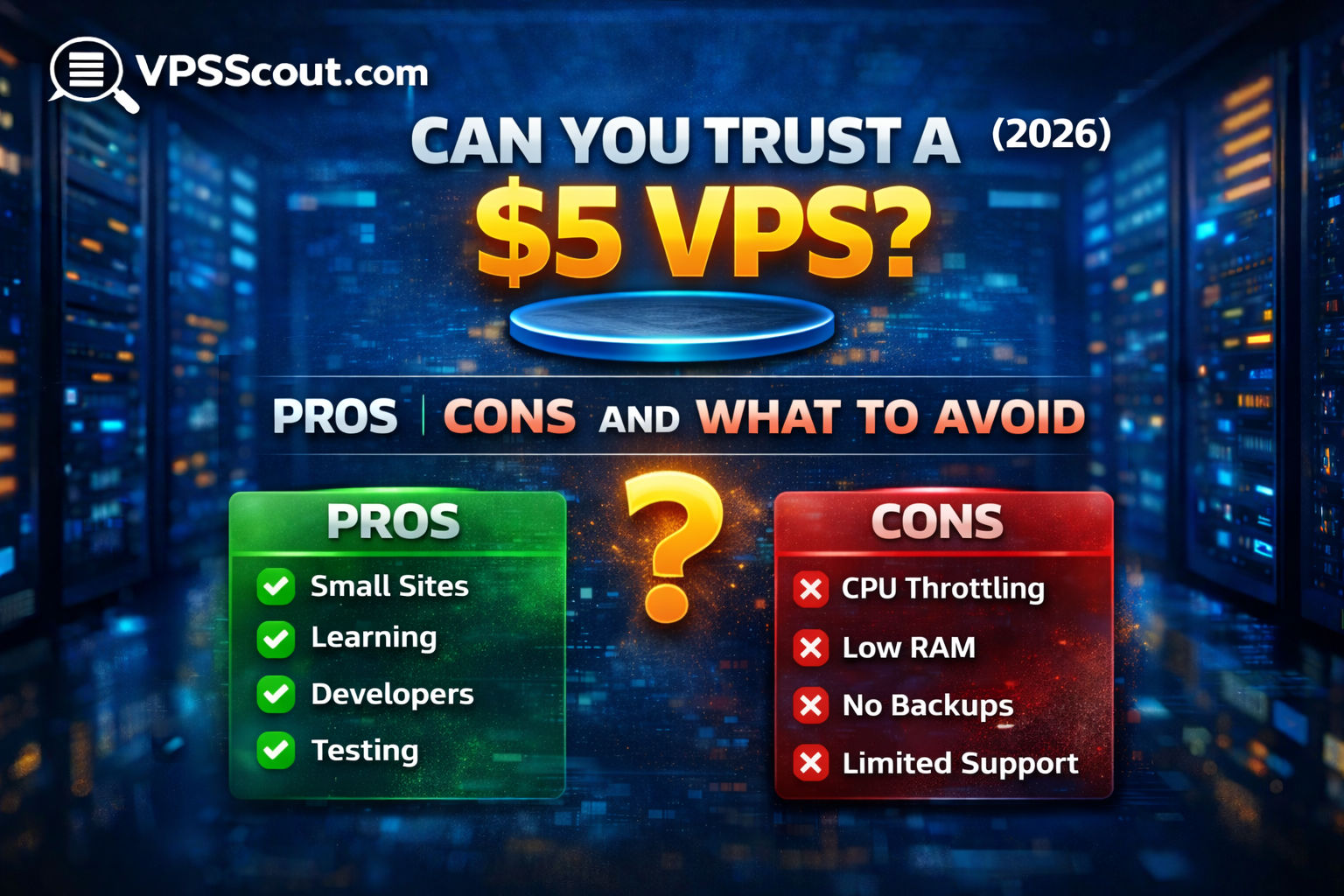
Can You Trust a $5 VPS? Pros, Cons, and What to Avoid
A $5 VPS sounds like a steal. For the price of a coffee, you can get: But here’s the truth: Yes, you can trust a $5 VPS…but only for the right use cases. Because a cheap VPS can be a great deal — or it can turn into a nightmare if you host the wrong…
-
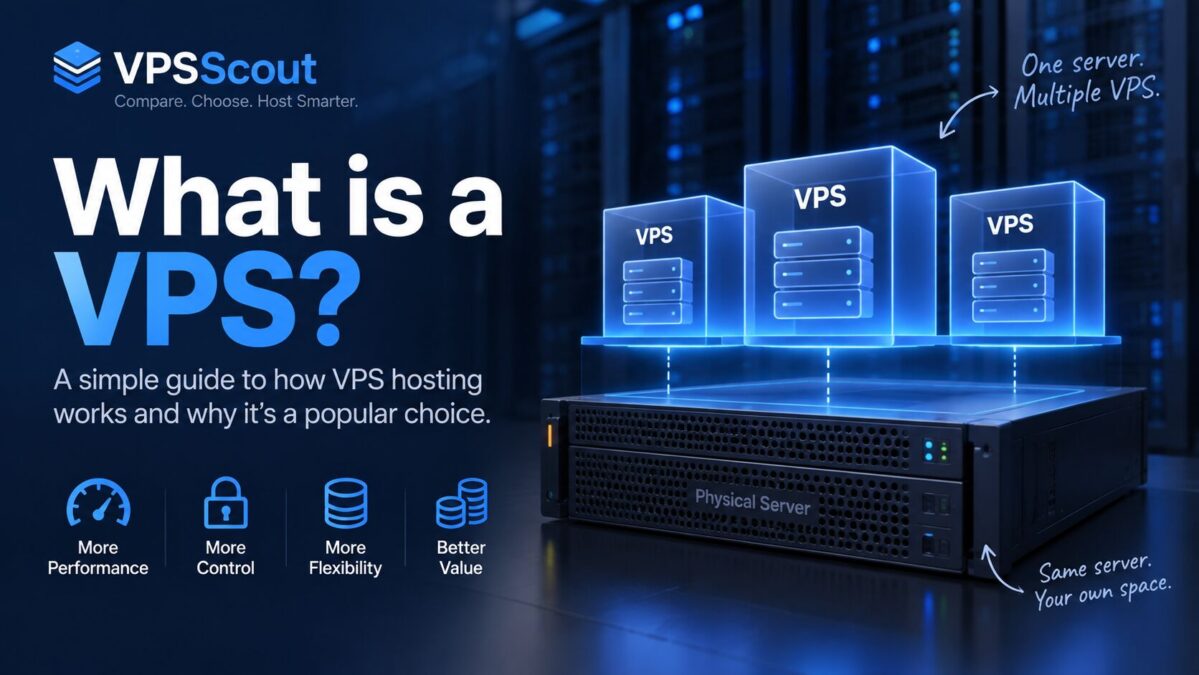
What Is a VPS? (Simple Explanation + Examples)
A VPS (Virtual Private Server) is a type of hosting where you get your own private slice of a server, with dedicated resources like RAM, CPU, and storage. It’s one of the best upgrades you can make when shared hosting starts to feel slow, unstable, or limiting. If you’ve ever had a website crash because…

VPS Guides & Tutorials
Learn how to set up, secure, optimize, and manage your VPS with step-by-step tutorials, practical tips, and expert guides. Whether you’re a beginner or an experienced administrator, VPSScout helps you get the most from your server.